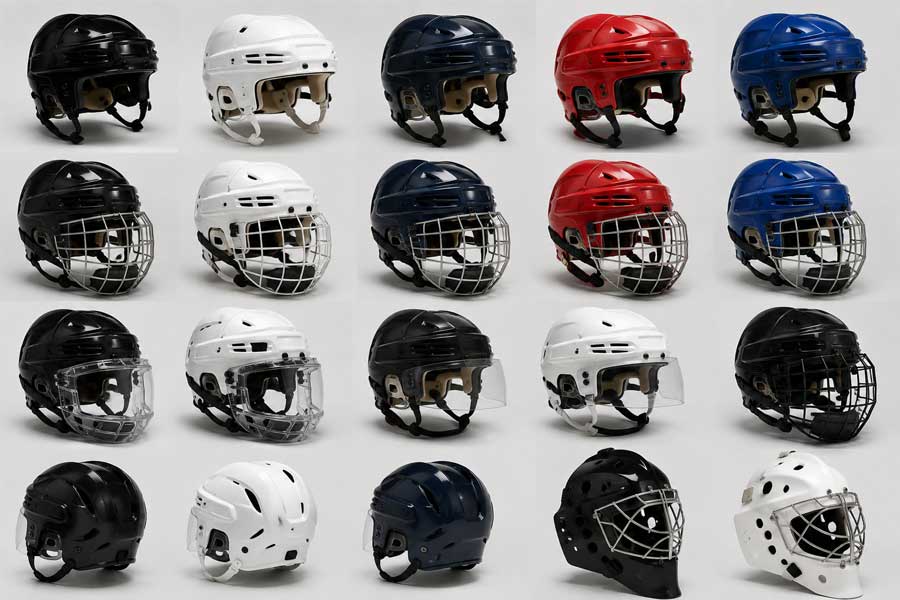
What Is an Ice Hockey Helmet?
An ice hockey helmet is one of the most important pieces of protective equipment worn by an ice hockey player. It is designed to help protect the head from impacts that can occur during skating, body contact, falls, collisions with other players, the boards, the ice surface, or equipment such as sticks and pucks.
Because ice hockey is a fast and physical sport, players can experience sudden impacts at high speed. Wearing a properly fitted and approved hockey helmet is therefore an essential part of playing the sport safely.
According to the International Ice Hockey Federation (IIHF), players must wear a helmet designed, constructed and approved for ice hockey, with the chin strap properly fastened. The helmet must be secured so that it cannot easily fall off during play.
Why Is a Helmet Important?
The primary purpose of a hockey helmet is to provide protection against head impacts.
During a game, a player may fall backward onto the ice, collide with another player, hit the boards, or be struck by a stick or puck. A properly designed helmet can help reduce the severity of some impacts and provide an important layer of protection.
However, a helmet cannot eliminate the risk of head injury or concussion. Players should always play within the rules, use proper technique and report suspected injuries to an appropriate adult, coach or medical professional.
Main Parts of an Ice Hockey Helmet
A modern ice hockey helmet generally consists of several important components:
1. Outer Shell
The outer shell provides the helmet’s structural protection. It is designed to withstand impacts and help distribute forces across the helmet.
2. Protective Liner
Inside the helmet is a layer of protective foam or other energy-absorbing material. The liner is designed to help manage impact energy and provide cushioning around the player’s head.
3. Adjustment System
Many hockey helmets include an adjustment mechanism that allows the player to customize the fit. A helmet should fit securely and comfortably without excessive movement.
4. Chin Strap
The chin strap helps keep the helmet securely positioned on the player’s head.
Under IIHF rules, the chin strap must be properly fastened while players are participating in the game and during the pre-game warm-up.
5. Ear Protection
Some helmets include integrated ear protection designed to help protect the sides of the head and ears.
6. Face Protection
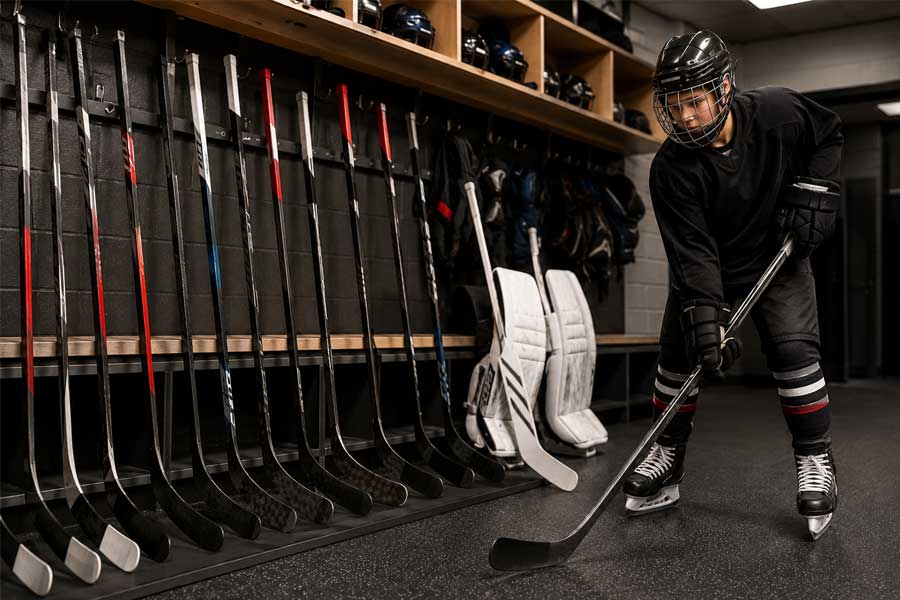
Depending on the player’s age, league and applicable rules, a hockey helmet may be combined with a full face mask, cage, half visor or full visor.
Face protection is especially important for younger players because the face can be exposed to sticks, pucks and other players’ equipment.
How Should a Hockey Helmet Fit?
A hockey helmet should fit securely on the player’s head without being excessively tight or loose.
A properly fitted helmet should:
- Sit level on the head.
- Cover the appropriate areas of the head.
- Stay securely in position while skating.
- Not move excessively when the player shakes their head.
- Have the chin strap properly fastened.
- Feel comfortable without creating excessive pressure.
A helmet that is too loose may move during an impact and may not provide the intended level of protection.
A helmet that is too tight may cause discomfort and make it difficult for the player to concentrate during training or competition.
Helmet Safety and Certification
Players should choose a hockey helmet that meets the safety and certification requirements applicable to their league, federation or country.
Certification systems can vary between regions. For example, USA Hockey-sanctioned games require HECC-certified helmets and facemasks.
Players should always check the requirements of their local hockey organization before purchasing or using a helmet for competition.
It is also important not to make unauthorized modifications to certified protective equipment. Adding or changing components may affect the certification or safety performance of the helmet.
When Should a Hockey Helmet Be Replaced?
A hockey helmet should be inspected regularly for signs of damage or wear.
Consider replacing a helmet when:
- The shell is cracked or significantly damaged.
- The protective liner is damaged, compressed or deteriorated.
- Adjustment components no longer work properly.
- The chin strap is damaged or cannot be securely fastened.
- The helmet has experienced a significant impact and the manufacturer recommends replacement.
- The helmet no longer fits the player correctly.
- The helmet has reached the manufacturer’s recommended service life.
Players and parents should follow the manufacturer’s instructions regarding inspection, maintenance and replacement.
Helmet Care and Maintenance
Proper maintenance can help keep a hockey helmet in good condition.
After training or competition:
- Allow the helmet to dry naturally.
- Remove moisture and sweat from the interior.
- Inspect the shell, liner and chin strap.
- Check that adjustment mechanisms are functioning properly.
- Clean the helmet according to the manufacturer’s instructions.
- Store it in a cool, dry and well-ventilated location.
Avoid using harsh chemicals or making modifications that are not approved by the manufacturer.
Helmet for Players and Goalkeepers
Although both skaters and goalkeepers require head protection, goalkeeper equipment is different from a standard player helmet.
Goalkeepers normally wear a specialized goalie mask designed specifically for the demands of their position. The mask provides protection from pucks travelling at high speed while also allowing the goalkeeper adequate vision.
Players should always use equipment specifically designed for their position and level of play.
Helmet Safety for Young Players
For children and young hockey players, choosing and fitting a helmet correctly is especially important.
Parents and coaches should check the helmet before every training session and game. The helmet should be the correct size, properly adjusted and securely fastened.
Young players should also be taught never to play without their required protective equipment.
Creating good equipment habits from an early age helps young athletes develop a strong culture of safety.
Helmet Is More Than Just Equipment
In ice hockey, the helmet is more than part of a player’s uniform. It is a critical piece of protective equipment that supports safer participation in a fast and physical sport.
A good helmet, combined with proper fitting, correct use and responsible playing habits, can help players enjoy ice hockey with greater confidence.
Safety should always come first — before speed, competition and winning.