Mouthguard
Mouthguard in Ice Hockey
A Mouthguard is an important piece of protective equipment used in ice hockey to help protect the teeth, gums, jaw and other structures inside the mouth from impacts. Ice hockey is a fast-paced sport involving high-speed skating, sticks, pucks and physical contact, so players can be exposed to accidental impacts to the face and mouth during both training and competition.
The International Ice Hockey Federation (IIHF) recommends that all players wear a mouthguard, preferably a custom-made mouthguard, and recommends wearing it properly whenever on the ice. The IIHF states that a mouthguard is designed to protect the teeth and jaws from impact and may also help reduce the risk of concussion.
What Is a Mouthguard?
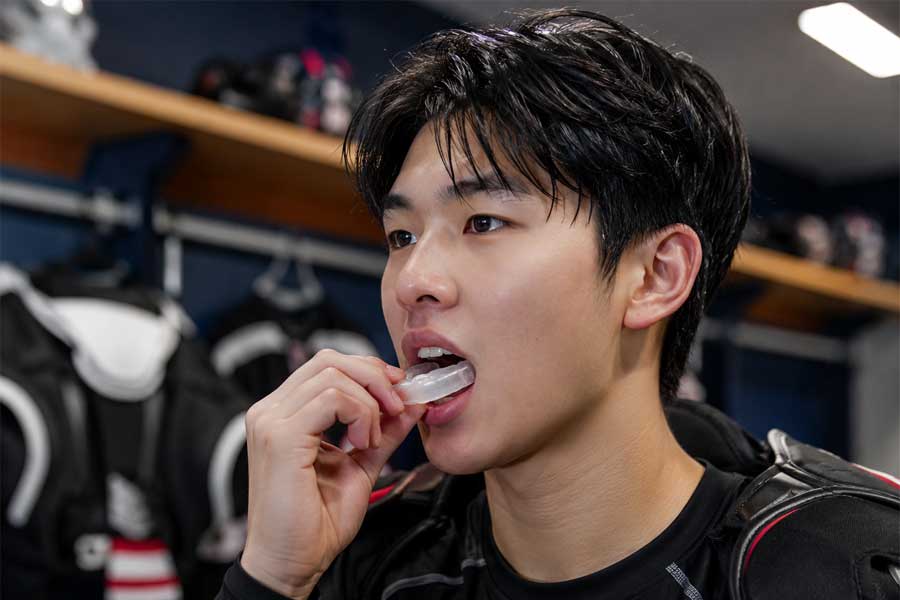
A mouthguard is a flexible protective device placed inside the mouth, usually covering the upper teeth. It is designed to absorb and distribute some of the force generated by an impact, helping reduce direct contact between the teeth and surrounding structures.
Mouthguards are available in several forms, including:
- Stock Mouthguard – A pre-formed mouthguard that is ready to use but may provide a less precise fit.
- Boil-and-Bite Mouthguard – A thermoplastic mouthguard that is softened in hot water and then molded around the teeth for a better fit.
- Custom-Made Mouthguard – Made specifically for an individual by a dental professional. This type generally provides the most precise fit and is the type preferred by the IIHF.
Why Is a Mouthguard Important in Ice Hockey?
Ice hockey is played at high speed and involves equipment and situations that can create sudden impacts. A mouthguard provides an additional layer of protection for the mouth and jaw.
Its main benefits include:
1. Protecting the Teeth
A mouthguard can help reduce the chance of chipped, fractured or damaged teeth when the mouth is exposed to an impact.
2. Protecting the Jaw and Mouth
The mouthguard provides cushioning between the upper and lower teeth and can help reduce the force transmitted through the jaw during certain impacts.
3. Reducing the Risk of Soft-Tissue Injuries
A properly fitted mouthguard can help reduce contact between the teeth and the lips, cheeks and other soft tissues inside the mouth.
4. Additional Protection During Physical Contact
Players may experience falls, collisions with other players, contact with the boards, or accidental contact with a stick or puck. A mouthguard provides an additional layer of protection during these situations.
5. Supporting Player Safety
A mouthguard should be considered part of a player’s overall protective-equipment system rather than a replacement for other equipment such as a helmet, face protection or neck protection.
Mouthguard for Players
For forwards and defensemen, a mouthguard is particularly useful because these players frequently skate at high speed and may be involved in physical battles, puck battles and collisions.
Players should choose a mouthguard that:
- Fits securely and comfortably.
- Does not interfere significantly with breathing or speaking.
- Remains in position during skating and physical movement.
- Is appropriate for the player’s age and level of play.
- Is inspected regularly for damage or excessive wear.
A custom-made mouthguard can provide a more precise fit and is strongly recommended by the IIHF.
Mouthguard for Goalkeepers
Goalkeepers also benefit from wearing a mouthguard. Although goalkeepers occupy a different position from skaters, they can still be exposed to pucks, sticks, collisions and falls.
Goalkeepers should therefore consider a mouthguard as part of their overall protective equipment. It should work comfortably together with the goalkeeper’s helmet and face mask without interfering with breathing or communication.
The IIHF rules specifically require goalkeepers to wear an approved protective face mask during game action, while the mouthguard serves as additional protection for the teeth and jaw.
Choosing the Right Mouthguard
When choosing a mouthguard for ice hockey, consider the following factors:
Fit:
It should fit securely without constantly falling out or requiring the player to bite down excessively to keep it in place.
Comfort:
A comfortable mouthguard is more likely to be worn correctly and consistently.
Protection:
Choose a product designed specifically for sports protection and appropriate for the player’s age and level.
Breathing and Communication:
Players should be able to breathe comfortably and communicate with teammates and coaches.
Quality and Condition:
Replace a mouthguard if it becomes damaged, excessively worn, deformed or no longer fits properly.
Custom-Made Mouthguard
A custom-made mouthguard is produced according to an individual’s dental structure. A dental professional takes an impression or digital scan of the teeth and creates a mouthguard designed for that specific mouth.
This type of mouthguard generally offers a more precise fit than generic models. For players who train and compete regularly, particularly young athletes, a discussion with a dentist about the appropriate type of mouthguard can be beneficial.
How to Use a Mouthguard Properly
Players should:
- Check the mouthguard before every training session or game.
- Make sure it fits securely.
- Wear it correctly throughout time on the ice.
- Avoid chewing or deliberately biting the mouthguard.
- Clean it after use.
- Store it in a ventilated protective case.
- Allow it to dry before storage.
- Check regularly for cracks, tears or deformation.
- Replace it when it no longer fits properly or becomes damaged.
Players should also follow the equipment requirements of their league, tournament, rink and national governing body because rules can differ according to competition and age category.
Mouthguard and Other Hockey Equipment
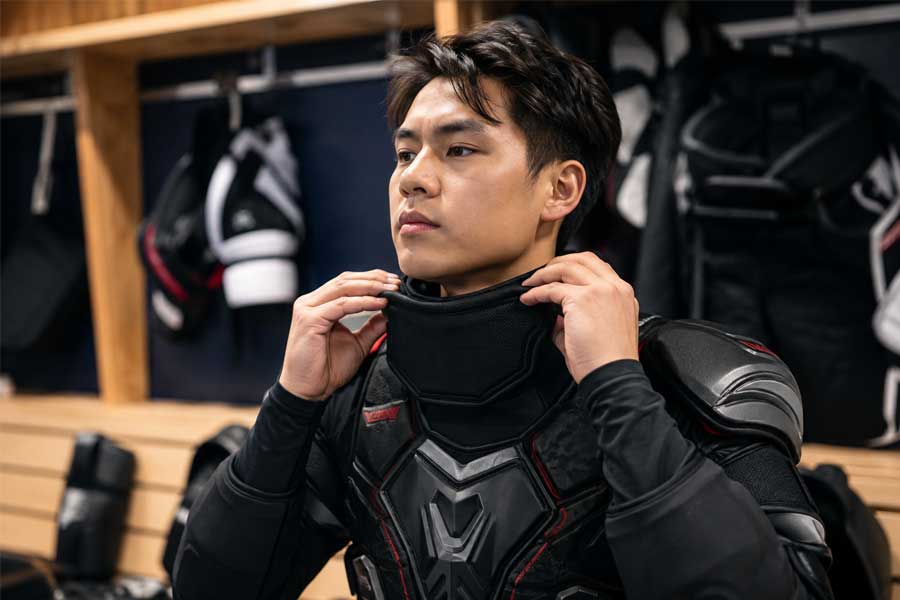
A mouthguard is only one component of an ice hockey player’s protective equipment.
A complete protective system may include:
- Helmet
- Face protection / visor or cage
- Neck laceration protector
- Shoulder pads
- Elbow pads
- Hockey gloves
- Hockey pants
- Shin guards
- Skates
- Mouthguard
Goalkeepers use specialized equipment including a goalkeeper mask, chest and arm protector, leg pads, blocker, catching glove and goalkeeper skates.
Important Safety Note
A mouthguard does not eliminate the possibility of dental injury, jaw injury or concussion. It should be used together with appropriate protective equipment, safe playing techniques, proper coaching and compliance with the rules of the competition.
Equipment requirements can also change between seasons and may differ between organizations. Players and teams should always check the latest rules applicable to their competition. The IIHF maintains the current official rulebooks and regulations on its website.